
Life Design
Stop working in your weakness zone
From school onwards, we receive a consistent message: identify what you're bad at, and work on it. P...
Read →

Lianne Byrne · November 2025
Photo: Sime Basioli on Unsplash
Most year planning goes wrong at the start. Not in the execution — in the questions being asked.
Goals, KPIs, vision boards, word-of-the-year exercises: all of these assume that what you need is direction — a destination to aim for. And direction is useful. But for a lot of women I work with, the problem isn't lack of direction. It's that they're moving very efficiently toward a life they designed when they were a different person, in different circumstances, with different information about what they actually want.
Planning that doesn't start with honest reflection produces more of the same with slightly different targets.
These ten questions are designed to slow you down before you speed up. To help you look clearly at the year that's passed before you decide what to do with the one ahead.
"The question isn't what do you want to achieve. It's whether what you're planning to achieve is actually what you want."
Set aside the goals you set, the things you were supposed to care about, the professional milestones. What genuinely mattered to you? What do you think about when you're falling asleep? What made you feel most alive, or most yourself? The honest answer to this question is frequently different from the official answer — and the gap between them is important information.
Not where you were busy — where you were depleted. There's a difference between full and stretched, between engaged and drained. Which relationships, roles, or commitments were leaving you with less than you started? Naming these specifically — rather than the vague sense that everything was too much — is the first step to changing them.
The things perpetually on the list but never reached. Sometimes these stay undone because they're not actually important. Sometimes they stay undone because the friction around them is too high and you've never cleared it. And sometimes they stay undone because doing them would mean something — would require you to show up for yourself in a way that feels vulnerable or uncertain. Knowing which of these is true matters.
Many of the standards we hold ourselves to — about how the house should look, how we should perform at work, how available we should be to others, what a good mother/partner/friend/colleague looks like — are inherited rather than chosen. Which of yours are genuinely your values? Which are someone else's expectations that you've been carrying as your own?
Things get dropped in busy seasons and don't always get reinstated. Creative work. Exercise that you loved. Regular time with particular people. Time that was yours without agenda. What's been absent that you've missed?
The thing you keep managing around rather than addressing. The relationship dynamic that hasn't been named. The work situation that's uncomfortable but not quite bad enough to act on. The version of your life you've accepted as fixed when it might not be. Tolerance has a cost, and it's worth counting what you're paying.
This question bypasses the practical objections temporarily. If fear of judgment, practical obstacles, and other people's expectations were removed, what would you do differently? The answer is almost always clarifying, even when acting on it is complicated.
This is the zero-sum question that most planning avoids. If you want more time, space, energy, connection, or creative work in your life — what currently occupies that space? Every "more" requires a "less." Being specific about the tradeoff makes the choice real rather than aspirational.
Not the most impressive goal. Not the most urgent problem. The single lever that, if shifted, would create the most movement elsewhere. Sometimes it's a relationship. Sometimes it's a way of working. Sometimes it's a belief about what's possible for you. Finding the real lever is more useful than a long list of targets.
Not what does it look like in terms of achievements — what does it feel like? How do you want to experience your days? What quality of life are you planning for, not just what level of output? The feeling you're aiming for is often a better guide to the right choices than any specific goal.
Not all at once. Pick two or three that feel most relevant to where you are. Write, rather than just think — externalising tends to produce more honesty than internal rumination. Give yourself permission for the answers to be inconvenient.
The point isn't to produce a neat plan. It's to make sure that the plan you produce is actually in service of the life you want, rather than a more efficient version of the life you've already been living.
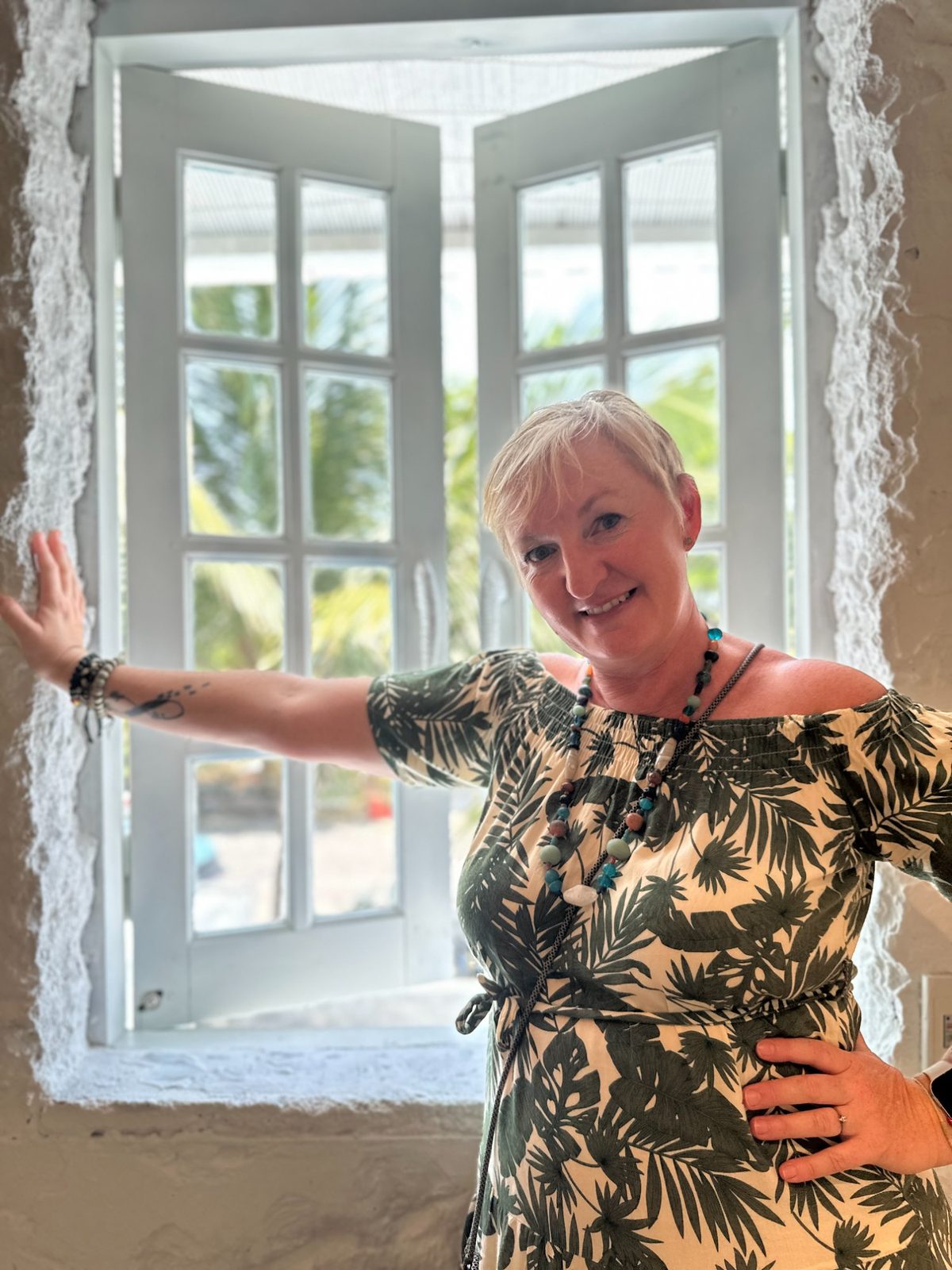
25 years in digital and marketing. Burnout survivor. ADHD at 43. Coaching women in midlife through the Designed to Flow process. Currently worldschooling in Guatemala.
Free · about 3 minutes
The Free Flow Life Audit shows where your life still fits, where something's getting in the way, and where to look first.
Take the Free Flow Life Audit →
Life Design
From school onwards, we receive a consistent message: identify what you're bad at, and work on it. P...
Read →
Life Design
My youngest daughter went through a phase of asking why about everything. Relentlessly. Exhaustingly...
Read →
Burnout & Recovery
In 2021, I sat in my doctor's office and couldn't stop crying. I couldn't even explain why — when sh...
Read →Keep reading
Essays about midlife, burnout, identity, work, life redesign and figuring out what comes next.
New essays are published on Substack.
Read & subscribe →