
Life Design
Stop working in your weakness zone
From school onwards, we receive a consistent message: identify what you're bad at, and work on it. P...
Read →

Lianne Byrne · June 2026
Photo: Jessica Furtney on Unsplash
There's a question I ask early on when I'm working with someone new.
Not "what are your goals" or "where do you want to be in five years." Those questions produce the answers people think they're supposed to give.
I ask: what did you used to do that was just for you?
The pause that follows is usually telling. Sometimes it's a long one.
Most women I work with in midlife can name the thing immediately — a creative practice, a physical pursuit, a subject they used to be absorbed by — and then in the same breath explain why it stopped. Got too busy. Kids arrived. The job got bigger. There was always something more urgent, more necessary, more justifiable than the thing that was just for them.
And then enough time passed that they stopped noticing it was gone.
This is one of the quieter losses of midlife. It doesn't announce itself the way burnout does. There's no crisis, no clear before and after. Just a gradual narrowing of the life until what's left is the version of you that's useful to other people — and not much else.
The Joy and Pleasure section of the life audit consistently scores highest. Not because women don't know what joy is. But because they've spent so long deprioritising it that it's stopped feeling like a legitimate need.
I've heard it described as selfishness. As a luxury. As something to get back to once things settle down.
Things don't settle down. You know that by now.
What's actually happening — and this is worth understanding properly — is that joy and pleasure aren't optional extras. They're part of how your nervous system regulates. When those things go quiet, your baseline shifts. Everything starts to feel a bit flat, a bit grey. You're functioning, you're capable, you're keeping everything moving — but there's a low-grade hollowness underneath it that's hard to name and harder to explain to anyone else.
For women in perimenopause, this can intensify., this can intensify. The oestrogen drop removes a layer of psychological cushioning that helped you tolerate the deficit. Things you'd been quietly accepting for years suddenly feel more urgent, more wrong. It's not that everything got worse. It's that your capacity to keep pretending it was fine ran out.
That's not a symptom to manage. It's information.
The things you stopped making time for aren't trivial. They're data points about who you are outside of your roles. About what lights you up when nobody needs anything from you. About the version of yourself that exists beyond the job title and the family role and the carefully maintained competence.
Getting them back isn't self-indulgence. It's how you remember who you are.
And that matters — because you can't redesign a life without knowing whose life you're designing.
This doesn't require a dramatic overhaul. It starts smaller than that.
What was the thing? The actual thing — not a category, not a vague aspiration, but the specific thing you used to do that felt like yours.
When did you last make space for it?
What would it take to do that once this week?
Not perfectly. Not with the same commitment or skill you once had. Just once, in whatever form is available to you right now.
That's where it starts. Not with a plan, not with a programme — with one small act of showing up for yourself.
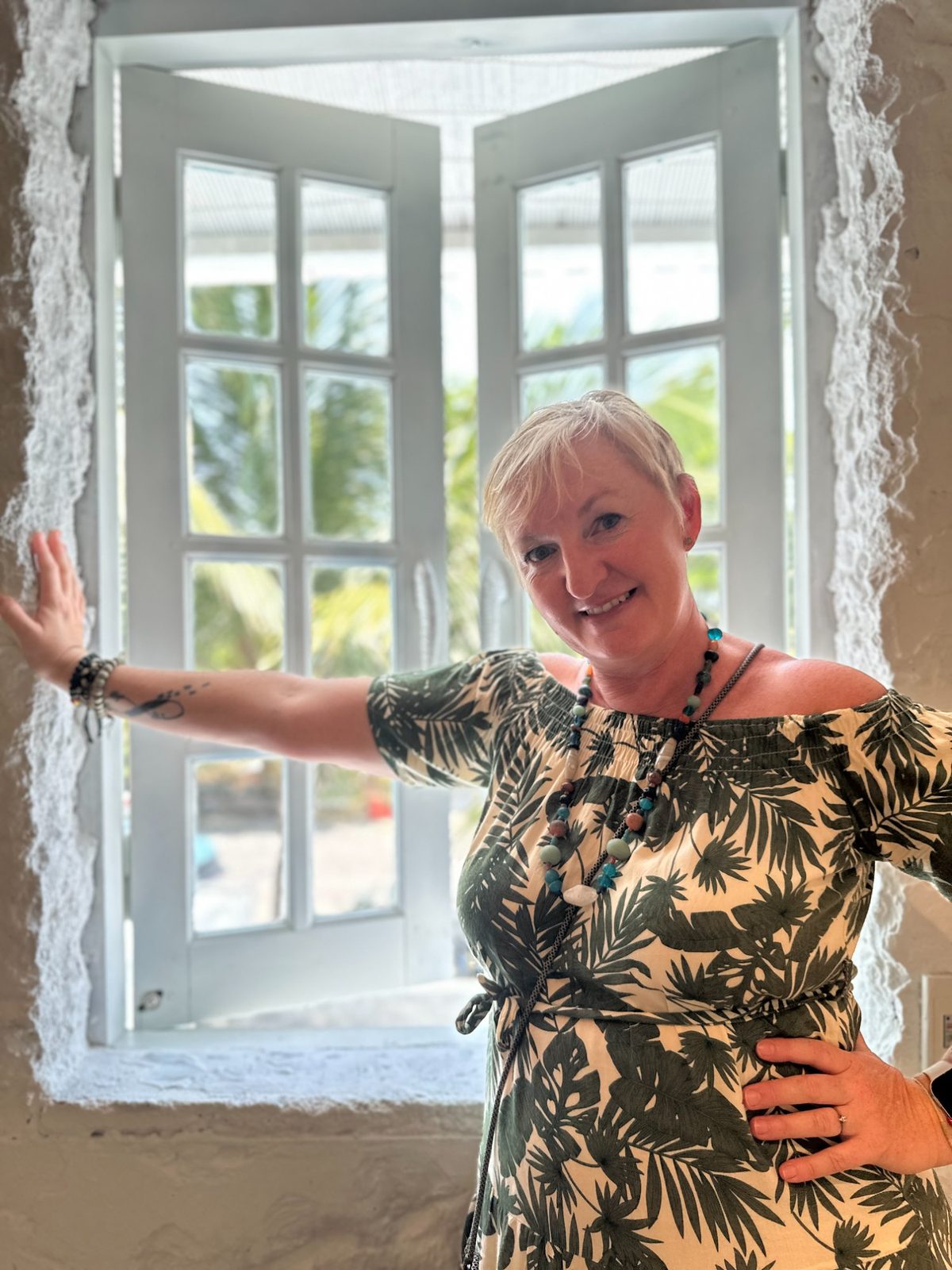
25 years in digital and marketing. Burnout survivor. ADHD at 43. Coaching women in midlife through the Designed to Flow process. Currently worldschooling in Guatemala.
Free · about 3 minutes
The Free Flow Life Audit shows where your life still fits, where something's getting in the way, and where to look first.
Take the Free Flow Life Audit →
Life Design
From school onwards, we receive a consistent message: identify what you're bad at, and work on it. P...
Read →
Life Design
My youngest daughter went through a phase of asking why about everything. Relentlessly. Exhaustingly...
Read →
Burnout & Recovery
In 2021, I sat in my doctor's office and couldn't stop crying. I couldn't even explain why — when sh...
Read →Keep reading
Essays about midlife, burnout, identity, work, life redesign and figuring out what comes next.
New essays are published on Substack.
Read & subscribe →