An evidence-informed guide for women navigating the intersection of hormonal change and chronic overload โ and finally understanding why nothing has been working.
If you're in your 40s and experiencing any of these, you may be navigating burnout and perimenopause simultaneously โ a combination that's far more common than anyone acknowledges, and far more debilitating than either one alone.
Evidence-informed. Written for intelligent women who want to understand what's actually happening โ not be told to take a bath.
"Lianne was able to see things far clearer than me. I loved that I had a focused, safe space โ and together we were able to knit my plan together. I feel so much lighter and in control."โ Jo Van Zyl
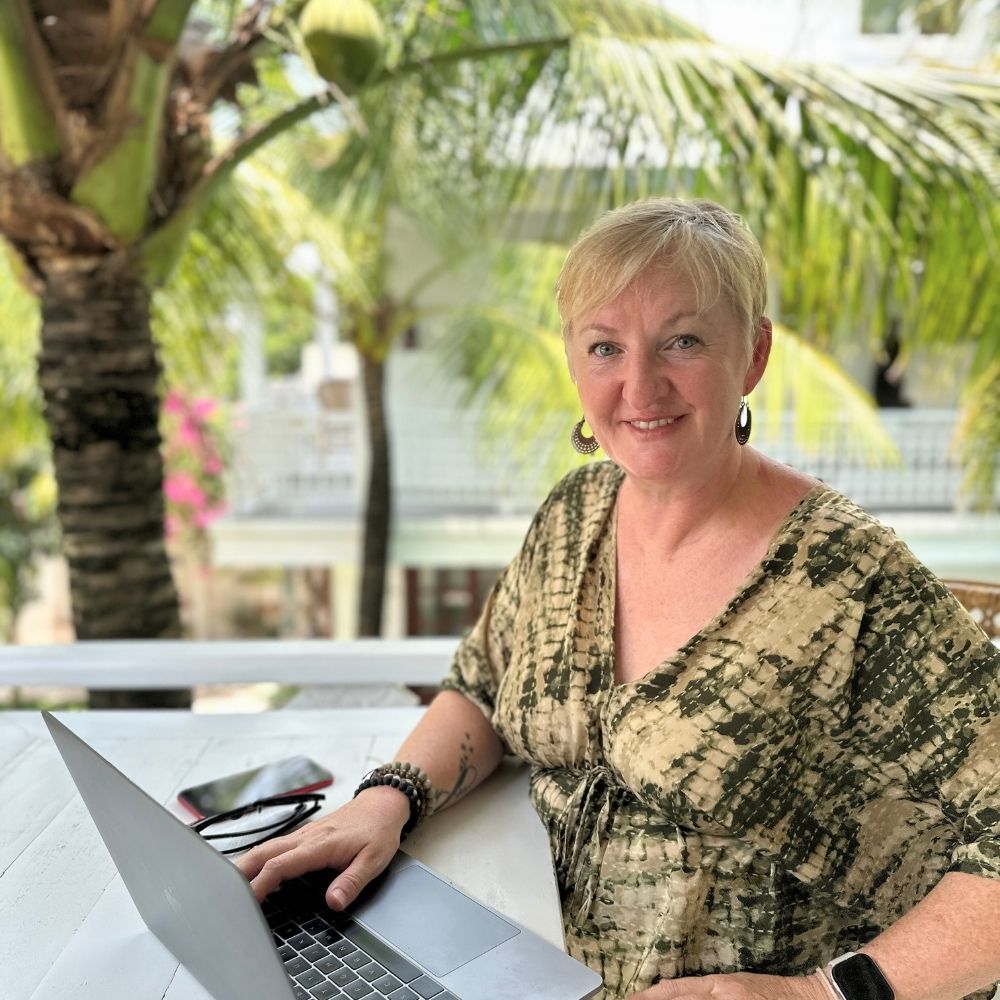
In my early 40s, burnout and perimenopause arrived at the same time. I didn't know that's what was happening โ I just knew that nothing I was trying was working, and that I felt like I was quietly disappearing.
After 25 years in digital marketing, an ADHD diagnosis, and eventually selling everything and moving my three children across the world โ I spent three years understanding what was actually happening in my body and why.
This guide is everything I wish someone had given me at the beginning.
ยฃ15. Instant PDF download. Read on any device. No subscription, no pressure.
Payments secured by Stripe ยท Apple Pay & Google Pay accepted ยท Instant download
Questions? hello [at] liannebyrne [dot] com ยท Book a free coaching call instead
Common questions
What is the difference between burnout and perimenopause?
Burnout is caused by sustained overload โ doing too much for too long without adequate recovery. Perimenopause is a hormonal transition that typically begins in the early-to-mid 40s. Both cause fatigue, brain fog, mood changes and sleep disruption, which is why they are so easily confused โ and why they so frequently occur together.
Can you have burnout and perimenopause at the same time?
Yes โ and it is more common than most women realise. The two conditions amplify each other. Hormonal changes reduce resilience and recovery capacity, making burnout more likely and harder to recover from. Addressing only one while ignoring the other is why many women feel stuck despite trying to recover.
How do I know if what I am experiencing is burnout or perimenopause?
The symptoms overlap significantly. The key distinction is context: burnout is typically tied to sustained overload and improves with rest and structural change. Perimenopause symptoms are hormonally driven and may persist regardless of workload. The guide helps you untangle which is driving your experience โ or whether both are.
Who is this guide for?
Women in their late 30s to 50s who are exhausted, foggy and running on empty โ and not sure whether burnout, perimenopause or both are causing it. Particularly useful for high-achieving women who have tried to push through but are not recovering the way they used to.
What does the guide cover?
The guide explains how burnout and perimenopause interact, how to distinguish between them, why women in midlife are disproportionately affected, and what practical steps address both. It is evidence-informed and written from lived experience. ยฃ15, instant download.